Chapter 8 of 121845
Charles Dickens, depositor
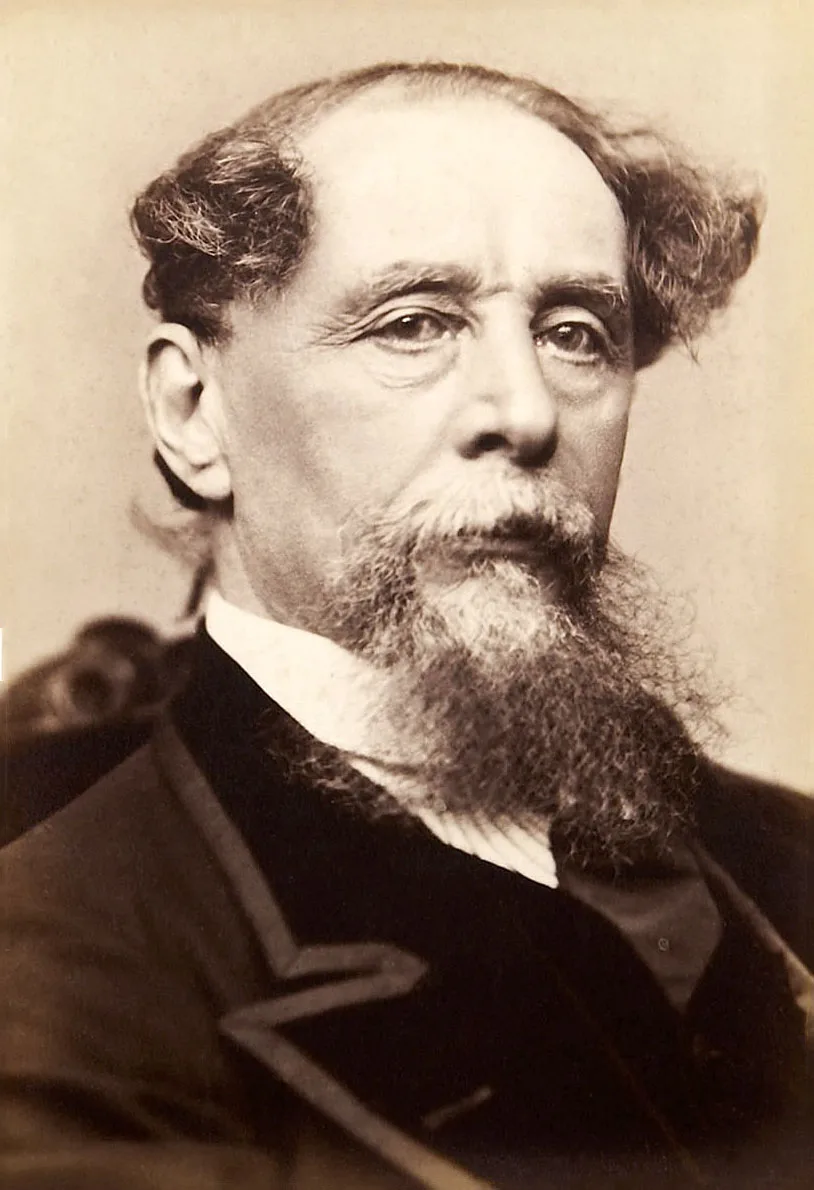
Early customers included Charles Dickens, who it is thought used the bank to supply funds discreetly to his mistress.
The documents take up the story in the autumn of 1845. On 17 October, according to the Pilgrim edition of his letters, Dickens “applied to become a Depositor in the Finsbury Savings Bank as Trustee”. The Survey of London puts it simply: “Charles Dickens was an early depositor of trust funds in October 1845.”
“had first-hand knowledge of savings banks, as he was a depositor of trust funds”
H. Oliver Horne, the historian of the savings banks, saw the experience at work in Dickens’s fiction. He linked Dickens’s first-hand knowledge of savings banks to the savings of Mark Tapley in Martin Chuzzlewit.3 Lloyds Banking Group Archives, which hold the bank’s surviving records, keep a facsimile of Dickens’s declaration. Where the original is now is not known.
Notes
- The Letters of Charles Dickens, Pilgrim edition, vol. 4, ed. Kathleen Tillotson (1977), p. 385 n. (Internet Archive full-text search, item lettersofcharles0004dick). Copyright; quoted briefly.
- Survey of London vol. 46, p. 82, para [p80] and fn. 49 (citing Horne, 1947, p. 111).
- Horne (1947), p. 111. Horne gives no date for the deposit.
- Lloyds TSB Group Archives catalogue TD, TD/443/a/5, “Facsimile of depositors’ declaration made by Charles Dickens (Finsbury and City of London Savings Bank record) … 1845” (TNA Discovery download GB 0386 TD_1, PDF p. 228).